
How do you start brushing a Belgian Malinois without rushing?

To start brushing a Belgian Malinois without rushing, first show it the brush from a comfortable distance and reward it for staying relaxed. Gradually bring the brush closer, then try a touch and a single gentle stroke over the coat. Keep sessions short and stop if your dog moves away or tenses up. The initial goal is to help it feel safe, not to brush it completely.
What should you prepare before the first introduction to the brush?
Choose a familiar place where your dog can stand comfortably and move away. Avoid starting when it is very excited or when you need to leave home straight away. A session without time pressure helps you observe its reactions more closely.
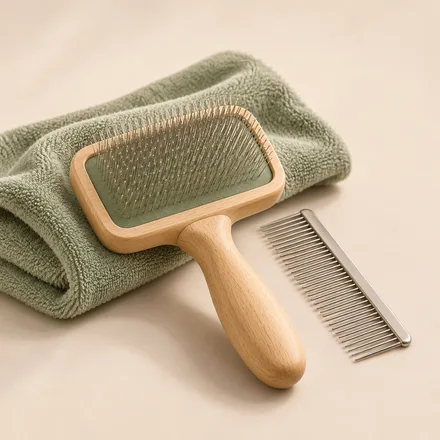
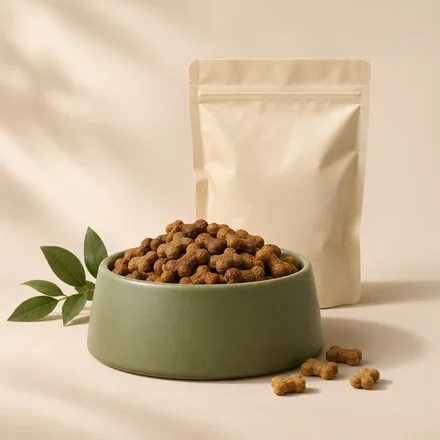
Prepare a gentle brush suitable for your dog's coat, along with a few small treats it enjoys. If you aren't sure which tool to choose, ask a dog groomer or your veterinarian for advice. Avoid pressing with the brush or using a tool that scratches the skin.
At first, the goal isn't to remove all the loose hair, but to build a positive association with the brush and being touched. Every dog has its own pace, whether it is a puppy or an adult.
First steps: from looking at the brush to a gentle stroke
Treat the steps below as a flexible plan, not a checklist to complete in one day. Some sessions may end before the brush touches the coat.
1. Let your dog observe the brush
Place the brush beside you or hold it at a comfortable distance, without immediately pointing it towards your dog. When your dog looks at it and stays relaxed, offer a treat. It can approach and sniff the brush, but don't keep calling it over or put the brush in its face if it backs away.
End after a few pleasant interactions. If the mere sight of the brush worries your dog, put it farther away and work from that distance in a future session.
2. Bring the brush closer without insisting
When the brush's presence no longer seems to bother your dog, bring it a little closer to its shoulder or side, then move it away and offer a reward. Repeat only if your dog remains comfortable. You don't need to touch it at this stage.
If your dog tenses up or moves away, increase the distance or end the session. Going back to an easier step isn't a failure.
3. Try a touch and a single stroke
Gently touch an area your dog accepts with the brush, such as its side, then move the brush away and reward it. If the response remains positive, you can try a single gentle stroke in the direction of hair growth.
Stop and observe your dog before trying again. In the following days, you can gradually add one stroke at a time or work on a slightly larger area. Don't automatically move on to the next step just because it worked once.
How can you tell when it's time for a break?
Pay attention to your dog's overall behaviour, not just one gesture. A relaxed body, interest in the treat and willingness to stay near you may indicate that the step feels comfortable for your dog.
Take a break if your dog moves away, freezes, repeatedly turns its head, tenses up or tries to avoid the brush. These reactions can have several causes, so consider them in context. If your dog growls, don't punish it: stop the interaction and give it space.
If the reaction is intense or continues even when the brush is at a distance, ask your veterinarian for help and, if needed, consult a canine behaviour specialist who uses non-coercive methods.
How short should the sessions be?
Start with very short interactions, even just one successful approach with the brush. Then stop before your dog becomes uneasy. There is no required duration: your dog's reaction matters more than the number of minutes.
You can repeat the exercise at another time of day or over the following days, if your dog is rested and receptive. If a session was difficult, the next one can involve simply seeing the brush from a distance.
As your dog accepts strokes on a comfortable area, gradually extend the grooming. Work on areas your dog finds harder to tolerate separately, using the same familiarisation process and without holding it by force.
Mistakes to avoid at the beginning
A common mistake is to take advantage of the dog staying still and continue until you've brushed its whole body. Staying still doesn't always mean the dog is relaxed; check its expression and posture, and give it breaks.
Avoid bringing the brush suddenly towards your dog's face, pulling at the coat or using a reward to keep it in place while it is scared. Offer the reward after a step your dog has tolerated, and let it choose whether to stay.
If brushing seems unpleasant even with gentle touches, don't assume it's just a behavioral issue. Stop and talk to your veterinarian about possible causes.
How can you prepare if you're considering a Malinois?
If you are still learning about this breed, also consider how much time you can devote to grooming, settling in and daily activities. Read about the dog's needs and prepare a suitable space before it arrives.
Bucuria Casei is an intermediary agency that can support families in the process of responsibly choosing a puppy. For questions about a puppy or the process, contact the team and ask for current details.
Frequently asked questions
Can I start getting a Malinois puppy used to the brush?
Yes. You can start by showing your puppy the brush and rewarding calm behaviour, without insisting on brushing straight away. Choose quiet moments and adapt the interaction to your puppy's reactions.
What should I do if my Malinois runs away when it sees the brush?
Don't follow your dog with the brush. Put the tool away, then try again another day from a distance at which your dog feels comfortable, pairing the brush's presence with a reward.
Is it okay to hold my dog by the collar to finish brushing?
At first, avoid holding your dog still so you can continue brushing. If it tries to leave, stop and make the step easier; the goal is for your dog to accept grooming without being restrained.
Can I use my dog's favourite toy instead of food rewards?
Yes, if playing helps your dog stay comfortable. For a dog that gets very excited during play, a small food reward or a quiet break may be more suitable.
Do I have to brush my dog completely during the first session?
No. The first session may involve only looking at or sniffing the brush. At the beginning, a short, comfortable experience is more useful than a full brushing session done by force.
What should I do if I notice a sensitive area or a skin problem?
Don't insist on brushing that area. Ask your veterinarian for advice, especially if you notice redness, sores, persistent scratching or an obvious sign of pain.
Start with the brush in view, then move on to bringing it closer and gentle touches. Gradually add short strokes, only while your dog is comfortable. If you are preparing to welcome a Malinois, you can explore the page dedicated to the breed and talk to the Bucuria Casei team about choosing a puppy that suits your family.