6 Methods to Keep Fleas and Ticks Away: How to Have a Healthy Pet
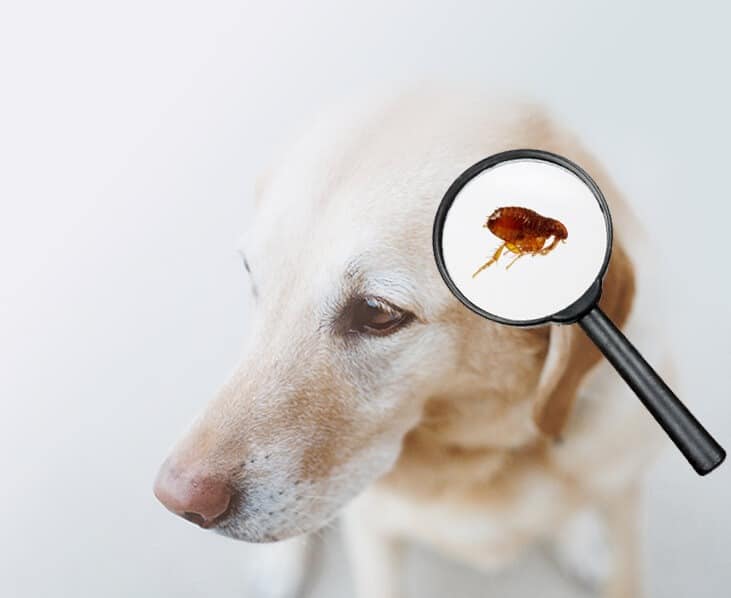
When you have a pet, their health and well-being are a priority. Among the most common issues you may encounter are infestations with fleas and ticks. These parasites can cause discomfort to your animal and may lead to more serious health problems if not properly managed. In this article, we will explore 6 effective methods to keep fleas and ticks at bay and to keep your pet healthy and happy.
1. Use Trusted Parasite Control Products
One of the most effective ways to prevent flea and tick infestations is to use trusted parasite control products. There are various options available, including spot-on treatments, sprays, shampoos, and pills. Consult your veterinarian to determine which product is suitable for your pet based on age, weight, and other individual needs.
2. Administer Regular Deworming Treatments
Regular parasite treatment for your pet is crucial for maintaining its health and preventing flea and tick infestations. Follow the schedule recommended by your veterinarian for administering parasite control treatments and ensure you do not miss any doses. Some products require monthly application, while others can be administered quarterly or biannually.
3. Maintain Hygiene in the Animal’s Living Environment
To prevent flea and tick infestations, ensure that your pet’s living environment is clean and hygienic. Vacuum and wash floors and carpets regularly, and clean your pet’s favorite spots. Additionally, regularly wash bedding and other items your pet uses to eliminate parasite eggs and larvae.
4. Regularly Inspect and Brush Your Pet’s Coat
An effective way to prevent flea and tick infestations is to regularly inspect and brush your pet’s coat. This will help you detect early signs of infestation and remove parasites before they become a major problem. Use a special flea and tick comb to remove parasites and their eggs.
5. Watch for Signs of Infestation
It is important to be attentive to signs of flea and tick infestation. These may include excessive itching, skin redness, irritation, weight loss, and abnormal behavior. If you notice any of these symptoms in your pet, consult a veterinarian immediately for evaluation and treatment.
6. Maintain Open Communication with Your Veterinarian
Open and regular communication with your veterinarian is essential for maintaining your pet's health. Share any concerns related to flea and tick infestations and follow the veterinarian’s recommendations and instructions for prevention and treatment. Your veterinarian can provide personalized advice and solutions tailored to your animal’s specific needs.
In conclusion, preventing and managing flea and tick infestations are crucial aspects of caring for your pet. Through the use of parasite control products trusted products, administering regular deworming treatments, maintaining cleanliness of the environment and your pet’s coat, as well as careful monitoring of health and communication with your veterinarian, you can ensure a healthy and happy environment for your pet.