6 Tips for a Proper Walk with Your Dog
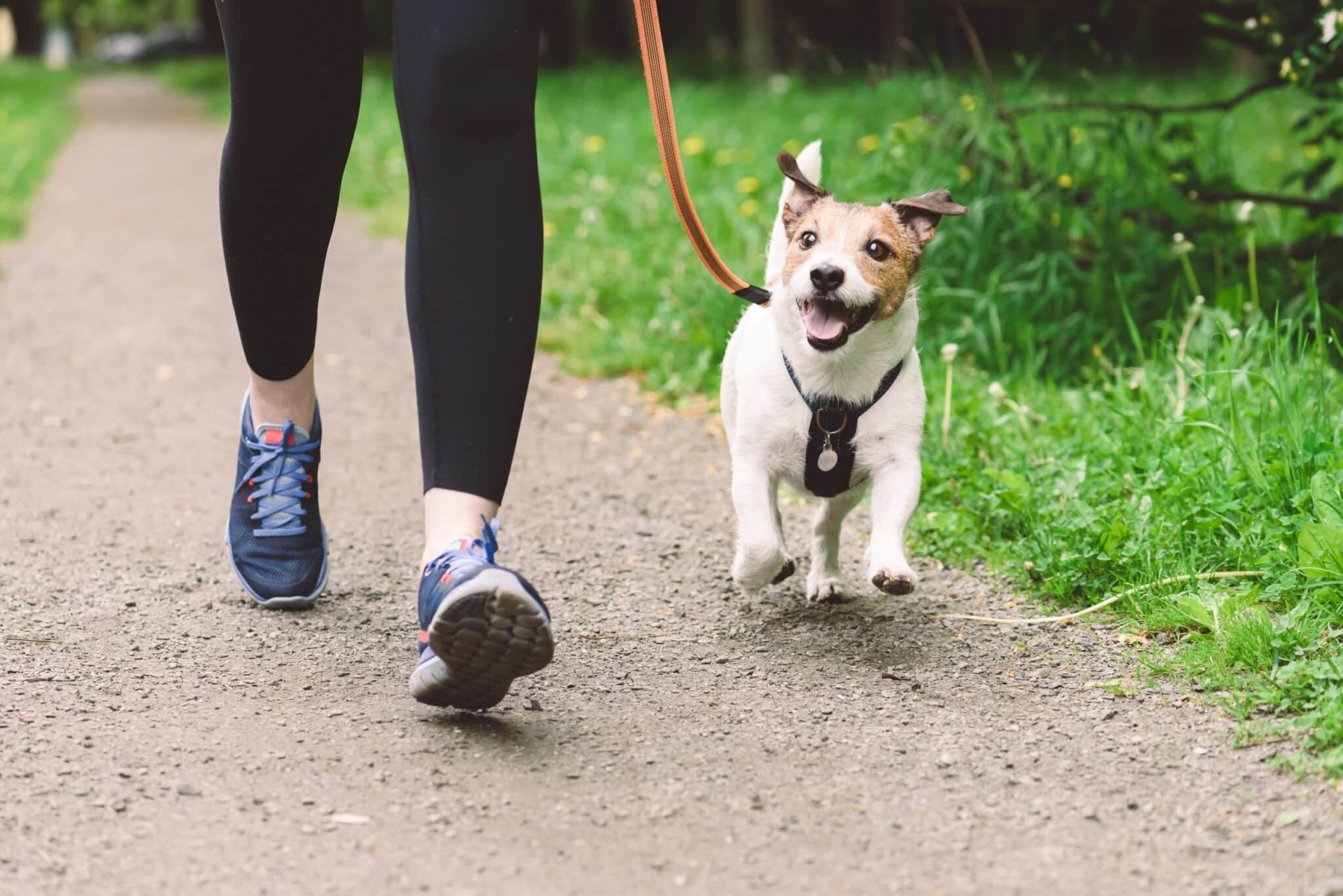
Walks with your dog are more than just routine activities; they are moments of bonding, exercise, and exploration for you and your canine companion. A proper walk is not just about going from point A to point B; it is about creating connections, promoting health, and providing opportunities for your dog to feel happy and fulfilled. Here are 6 essential tips to turn your walks into pleasant and beneficial experiences for you both:
1. Proper Preparation Before the Walk
Start with proper preparation before setting out. Make sure you have all the necessary equipment: a sturdy leash, waste bags, drinking water, and if applicable, a harness for additional control. Also, check that you have selected a safe route, free from hazards such as heavy traffic or areas with potential dangerous objects.
2. Building and Maintaining a Connection
Walking your dog should be an opportunity to build and strengthen the bond between you and your pet. Use the walk to establish eye contact, offer encouragement, and reward positive behavior. A strong connection will help you communicate effectively with your dog during the walk and keep them under control in various situations.
3. Meeting Your Dog’s Exercise Needs
Every dog has individual needs regarding physical exercise. Make sure your walk meets your dog’s specific needs in terms of age, size, breed, and energy level. Active and energetic dogs, such as large breeds or hunting dogs, may require longer and more intense walks, while older or small-sized dogs might prefer shorter and more leisurely walks.
4. Promoting Positive Behavior
Use the walk as an opportunity to promote and reinforce your dog’s positive behavior. Reward them with treats or encouraging words when they behave well, such as walking beside you without excessive pulling or ignoring surrounding distractions. Positive training and rewards will encourage them to continue adopting desired behaviors during walks and in other situations.
5. Allow Exploration and Interaction
Dogs love to explore the world around them, and a walk is the perfect time to let them do so in safe and controlled conditions. Let your dog sniff, explore, and interact with the environment, but make sure you supervise and give clear guidance when necessary.
6. Returning Home Safely
As the walk nears its end, pay attention to your dog’s signals and behavior that may indicate tiredness or exhaustion. Avoid forcing your dog to continue if they show signs of fatigue and return home at a pace comfortable for them. Make sure to provide fresh water and an opportunity to rest after the walk.
In conclusion, walks with your dog should be enjoyable moments of connection and beneficial physical activity for both of you. By following these 6 tips and adapting them to your dog’s specific needs, you will turn walks into positive and memorable experiences for a lifetime.