Caring for a 2-Month-Old Puppy
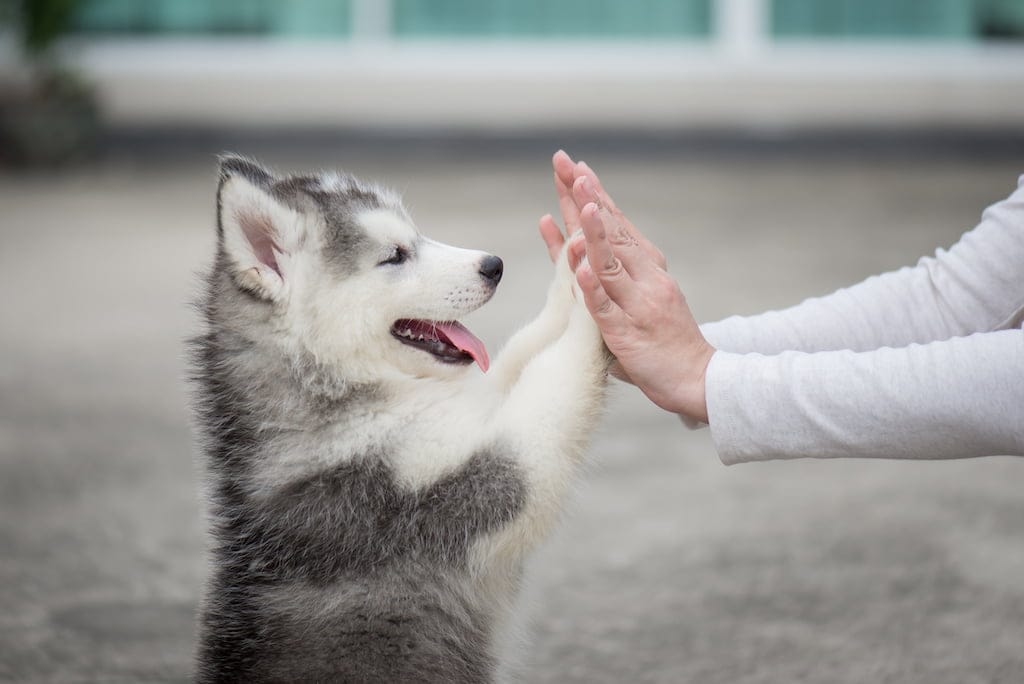
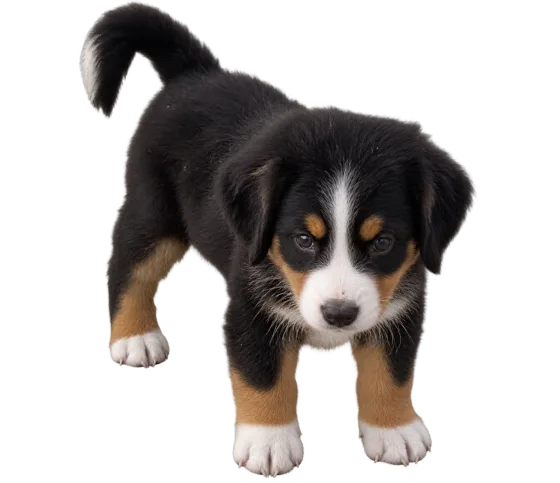
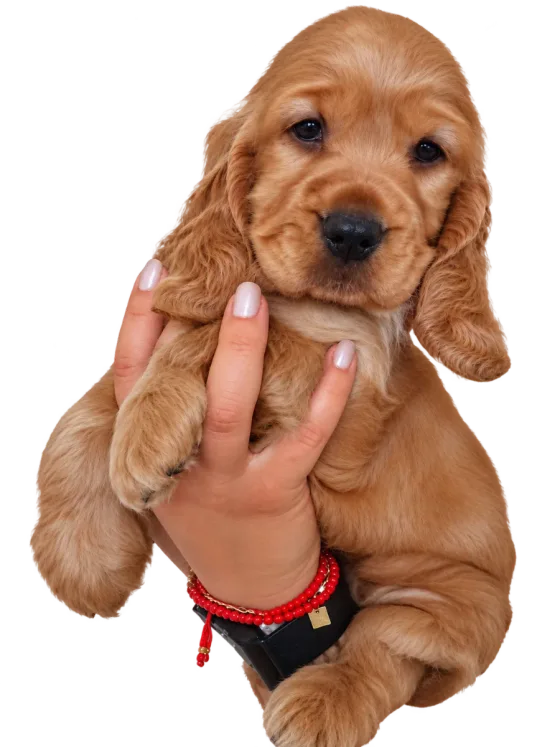
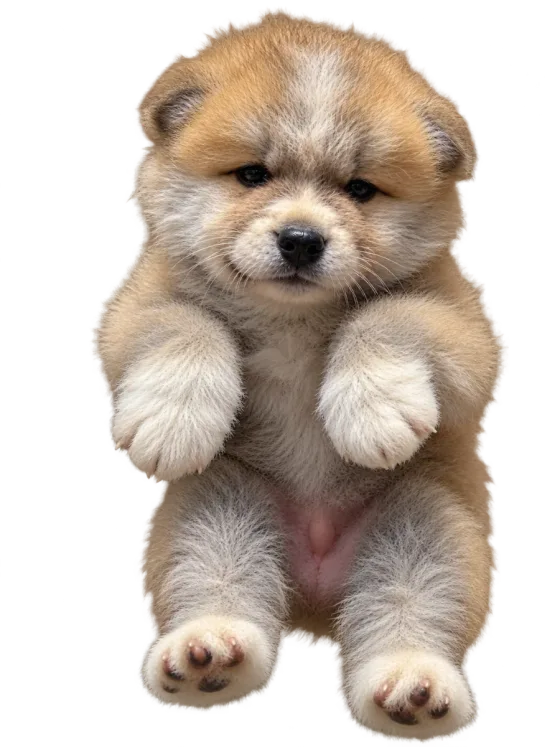
Caring for a 2-month-old puppy may seem like a complex process, but with a little attention and love, it can be a real success. At this age, the puppy begins to grow and develop its personality and skills, so it is important to give the necessary attention to this crucial period.
Feeding: At this age, the puppy should be fed a balanced diet that provides the necessary nutrients for its development. It is recommended to feed the puppy small and frequent meals, as its digestive system is not yet ready to process large amounts of food. Feeding with dry or wet food can be a good choice, but it is important to check if the food's content is suitable for our dog's needs. The puppy should eat to satisfaction, 3-4 meals per day.
TrainingAt 2 months old, the puppy begins to be more active and develop physical skills. It is important to train him regularly so he can develop these abilities. Games are an excellent way to train him and offer the opportunity to play and have fun. Games can include throwing and retrieving an object. Also, it is important to talk to him a lot and frequently say his name to teach him quickly.
HygieneAt 2 months old, the puppy can be trained to get used to personal hygiene. This can include regular baths, teeth brushing, and nail trimming. It is important to pay attention to these activities as they contribute to our dog's overall health. Additionally, ear hygiene is important, and there are cleaning solutions that can assist you with this.
SocializationAt 2 months old, the puppy begins to form relationships with other dogs and people. It is important to socialize him regularly so he becomes comfortable around other animals and people. This can be achieved through regular walks and meetings with other dogs and people.
VaccinationThe vaccination schedule for a 2-month-old dog is done at intervals of 2-3 weeks. The first set of vaccines can be administered at 6-8 weeks of age, with re-vaccination at 12 weeks and then at regular one-year intervals.
It is important to discuss with your veterinarian the appropriate vaccination schedule for your dog, based on specific needs and risks in your area. Additionally, it is important to follow re-vaccination recommendations to keep your dog's immune system protected.
It is essential to vaccinate our dogs to protect them against dangerous diseases and to prevent the spread of these diseases within the community. Vaccination can be a vital part of your dog's care plan and can contribute to a long and happy life for your dog.