Food Allergies in Dogs: How to Manage and Prevent This Problem
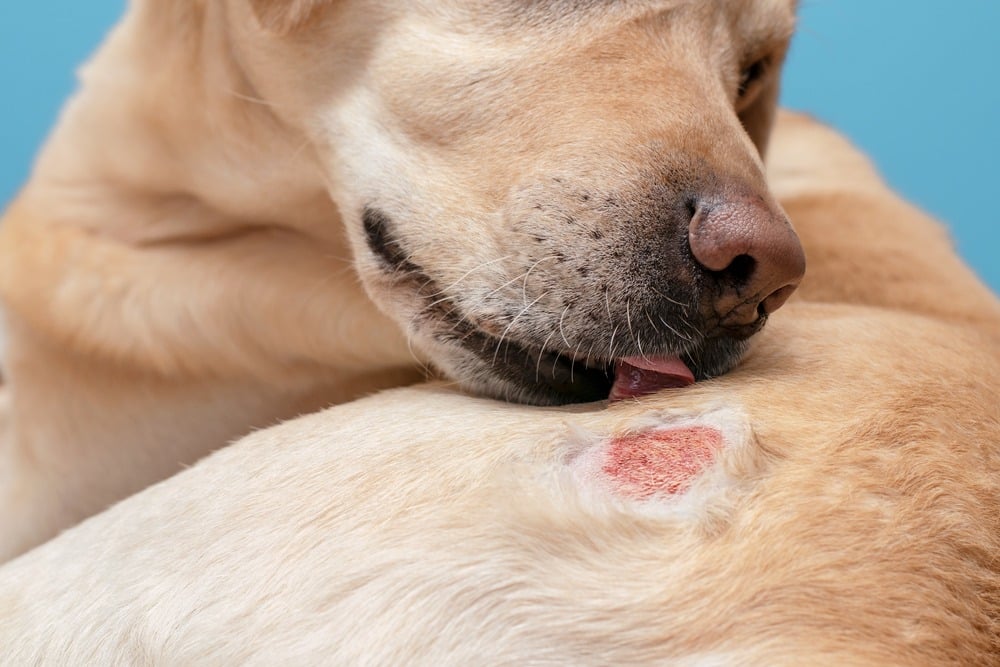
Food allergy is a common issue among dogs, and pet owners must be aware of the signs, symptoms, and management methods of this condition. In this article, we will explore the causes of food allergies in dogs, associated symptoms, diagnosis, and methods of treatment and prevention.
What is Food Allergy in Dogs?
Food allergy is an exaggerated immune system reaction to certain proteins in the foods consumed by the dog. This reaction can cause inflammation and unpleasant symptoms in the animal’s body.
Causes of Food Allergy in Dogs
Food allergies in dogs can be caused by a variety of factors, including:
- Food proteins: The most common food allergens for dogs include chicken, beef, dairy, eggs, wheat, soy, and fish.
- Sensitivity to certain ingredients: Some dogs may develop sensitivity to certain ingredients in food their food, even if these are not considered common allergens.
- Genetic factors: Certain dog breeds seem to be more prone to food allergies than others, suggesting a genetic component in the development of this condition.
- Repeated exposure to certain allergens: Dogs can develop food allergies over time due to continuous exposure to the same food ingredients.
Symptoms of Food Allergy in Dogs
Symptoms of food allergies in dogs can vary depending on the severity of the reaction and may include:
- Excessive itching and licking of the paws or other areas of the body
- Gastrointestinal issues such as diarrhea, vomiting, and excessive flatulence
- Weight loss or failure to gain weight in smaller dogs
- Skin problems such as redness, inflammation, itching, scaling, and irritation
- Hair loss or brittle, dull coat
- Ear infections or secondary skin infections
Diagnosis of Food Allergy in Dogs
Diagnosing food allergies in dogs can be a complex process and often involves several steps, including:
- Eliminating other possible causes: The veterinarian will evaluate the dog’s medical history and symptoms to rule out other possible causes of the symptoms.
- Food trials: Elimination tests may be carried out to identify the specific allergens to which the dog reacts.
- Blood tests: Blood tests can be used to detect elevated levels of immunoglobulin E (IgE), which are associated with allergic reactions.
Treatment and Management of Food Allergy in Dogs
Treatment and management of food allergies in dogs may involve several strategies, including:
- Elimination diet: The veterinarian may recommend a special elimination diet that excludes potential allergens.
- Hypoallergenic foods: There are commercial foods available that are specially formulated for dogs with food allergies.
- Supplements and medications: Some supplements and medications can help manage symptoms, such as antihistamines and corticosteroids.
- Avoiding allergens: Once the allergens are identified, avoiding them in the dog’s diet is crucial to managing the condition.
Preventing Food Allergies in Dogs
Preventing food allergies in dogs can be challenging, but there are some steps you can take to reduce the risk of this condition developing:
- Food rotation: Periodically changing your dog’s food can reduce the risk of sensitivity and intolerance to certain ingredients.
- Avoiding human food: Avoid feeding your dog table scraps, as some foods can be toxic or cause allergic reactions.
- Choosing high-quality food: Selecting high-quality food and avoiding artificial ingredients can help maintain your dog’s health and overall well-being.
Conclusion
Food allergies can be a complicated and frustrating issue for dog owners, but with proper management and dietary attention, symptoms can often be controlled. It is important to always consult a veterinarian if you notice any changes in your dog's behavior or health status, in order to identify and treat any problem as soon as possible.
This article provides a comprehensive overview of food allergies in dogs and how this issue can be effectively managed and prevented. It is essential to pay attention to the signs and symptoms of food allergies in your dog and to seek veterinary assistance for proper diagnosis and treatment.