How to understand your dog's behavior and communicate with them more effectively
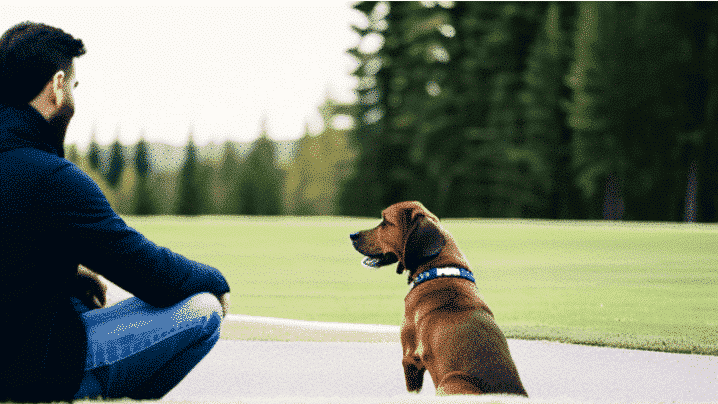
Welcome to a new blog article about dogs! In this article, we will discuss an important topic for all dog owners – how to understand your dog's behavior and communicate with them more effectively. Good communication between you and your dog can help improve your relationship and prevent behavioral problems.
Observe posture and body language
Dogs primarily communicate through body language. While communicating, they can show their mood through body posture and facial expressions. For example, a dog with its tail raised and ears forward may indicate excitement and happiness, while a dog with its tail between its legs and ears down may be fearful or submissive.
Additionally, dogs can indicate their mood through body movements, such as raising a paw, lifting their eyebrows, or straightening their back when meeting people or other animals. Learn to observe these signs and correctly interpret them to better understand your dog's behavior.
Learn to decode vocalizations
Besides body language, vocalizations are another way dogs communicate. These can vary from barking and murmuring to whining and whimpering. Learn to decode your dog's vocalizations to better understand their needs. For example, a barking dog may be excited or scared, while a whining dog may be in pain or anxious.
Find out what your dog likes and dislikes
Dogs have likes and dislikes just like people do. Learn to identify the things your dog likes and dislikes to improve communication. For example, some dogs may be disturbed by loud noises or certain smells, while others may be excited by favorite toys and activities.
Create a safe and comfortable space for your dog
Dogs can become stressed and anxious when they feel threatened or uncomfortable. Create a safe and comfortable space for your dog to reduce stress and improve communication. This can include a comfortable bed, a favorite toy, and a quiet area in the house where they can retreat when feeling overwhelmed.
Learn to use commands and signals to communicate with your dog
There are a number of commands and signs you can use to communicate with your dog. These include:
- Basic commands such as “sit,” “lie down,” and “stay”
- Hand signals, such as raising your palm to indicate “stay” or a finger beckoning motion to indicate “come”
- Vocalizations and sounds, such as “fetch” or “no”
- Hugs and pats, which can show your dog that you are offering affection and accepting their behavior.
- It is important to use these commands and signs in a coherent and consistent manner so your dog understands what is expected and can behave accordingly.
Learn to be consistent and reward good behavior
Dogs are animals that need structure and consistency in their lives. Learn to be consistent with commands and signals, reward good behavior, and provide discipline when necessary. This will help build your dog's trust and respect for you and will improve communication between you.
Learn to read warning signals and avoid risky behaviors
While learning to communicate with your dog, it is important to also learn and recognize your dog's warning signals and to avoid risky behaviors. For example, if your dog shows signs of aggression or anxiety, it is important to avoid situations that may trigger these behaviors. Additionally, learn to be cautious when approaching other people's dogs or animals, as dogs can be unpredictable and may react unexpectedly.
In conclusion, communicating with your dog is an important and ongoing process. Learn to observe your dog's behavior and signals, use clear commands and signs, be consistent, and reward good behavior. Over time, you will develop a strong and trusting relationship with your dog, and communication between you will become more effective and enjoyable for both of you.